
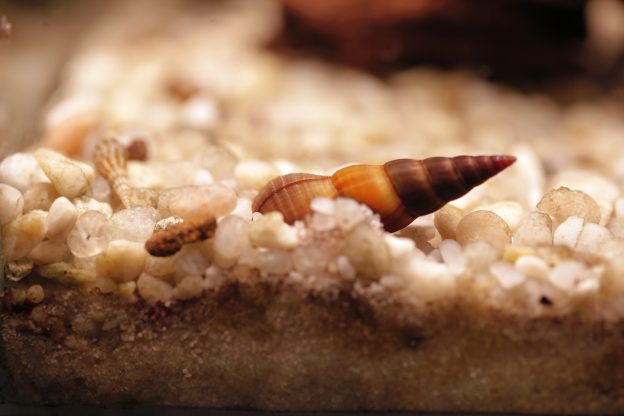
One day, you look into your fish tank and notice a cute little snail clinging to the inside of the glass. You’re curious how it got there, knowing that you didn’t put any snails in your fish tank, but you let it be for the time being. A couple days later, you see that that one is still there, but there are also a couple more in the gravel. A couple weeks later, the snails have multiplied greatly, and now they’re spread out all over the gravel.
“What in the world is going on here?” you ask yourself. “Is this magic? And is this good or bad?”
Let’s try to clear things up for you.
What You Need to Know about Having Snails in Your Fish Tank
Although they honestly beautify your fish tank and give it more personality, snails that seem to magically appear in your tank are considered pests.
But don’t worry. These pests aren’t all bad.
The good news is that the snails eat algae. The bad news is that they multiply as a result of algae.
The snails first enter your fish tank from live plants, or are scooped up with new fish. The snails then feed off excess algae in the tank or leftover food at the bottom of the tank. In other words, if you have pest snails in your fish tank, it means you either have too much algae in the tank or are overfeeding your fish.
Snails do multiply very rapidly, especially because they don’t need a mate to reproduce. A snail simply fertilizes its own egg. In fact, you probably have more snails in the tank than you realize, as many of the snails could be burrowed into the gravel.
Although the snails can reproduce in both freshwater and saltwater tanks, they’re much more prevalent in freshwater tanks, and this infestation could be harmful to the rest of the wildlife. As the snails become bigger and more plentiful, they could eat your aquarium plants or clog your filters.
Keeping Snails out of Your Fish Tank
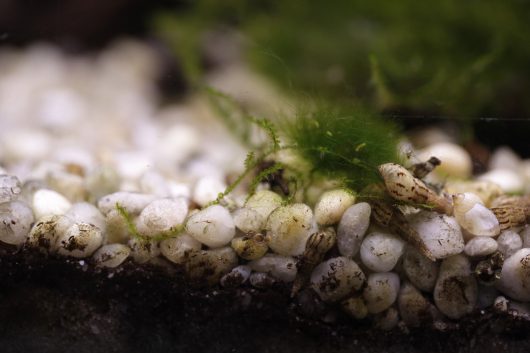 To prevent snails from entering your fish tank environment to begin with, make sure there is nothing else in the bag when you buy a new fish.
You also should soak new live plants before adding them to the tank. A variety of different solutions are suggested by hobbyists, such as one part bleach to nine parts water. Soak the plant in this solution for 10 minutes, and then rinse the plant in RODI water and let it air dry before placing it in the tank.
While effective, the bleach method can be hard on the plants, however. An alternative method is to dip the plants in a saltwater mix, which consists of one cup of aquarium salt per gallon of water. Dangle the plant upside-down into the saltwater, but do not submerge the roots. Keep the plant in the water for 15 minutes to give the salt time to get rid of the snails. After taking the plant out, rinse it in RODI water and plant it into your aquarium.
How to Get Rid of Snails
There are several ways to eliminate snails, or at least control the number that you have in the tank.
• As suggested by Spruce Pets, attach a leaf of lettuce to the glass inside your fish tank. The snails will love it, and you can then simply take out that lettuce leaf full of snails and dispose of it.
• Add fish that eat snails into your tank. These fish include loaches, puffer fish, blennies, wrasses, and triggerfish.
• Try additives such as AZOO Nano-Tech Snail Treatment to control the snails.
Overall, the best way to prevent infestation is proper aquarium maintenance by a qualified technician. If you are concerned about snails in your fish tank, contact us at Seatech Aquariums for fish tank maintenance services.


 Adding a frog to a freshwater fish tank is similar to adding a new fish to your tank. The basic steps are to first float the bag with the frog in it on top of your existing tank for about 15 minutes in order to bring the water to the same temperature. Afterward, add a cup of the water from the tank into the bag so that the frog becomes more familiar with the water quality. Add another cup about 10 minutes later, until the water in the bag is essentially of the same quality and temperature as the water in the tank. Once your frog is acclimated to the water, use a net to transfer the frog to the tank.