
Author Archives: admin

admin    October 24, 2018   CATEGORY: Aquarium Maintenance ,Freshwater Aquariums

Snails in Your Fish Tank: How They Got There and What It Means

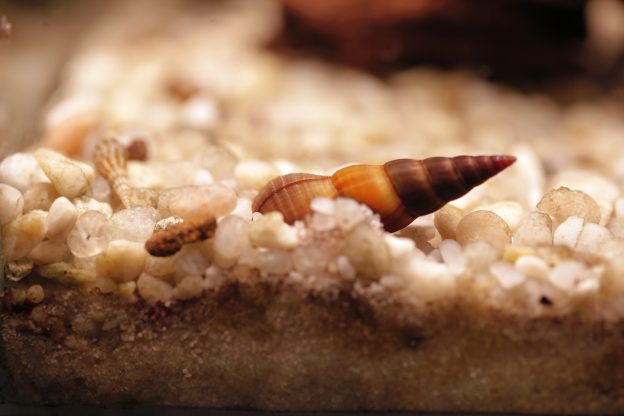
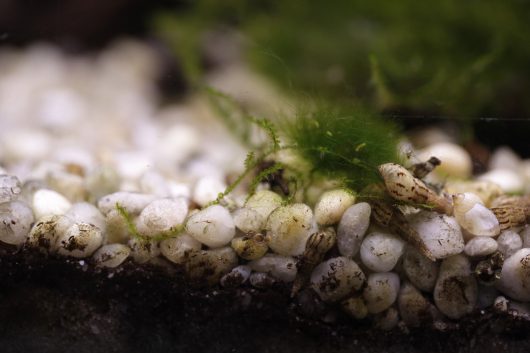
One day, you look into your fish tank and notice a cute little snail clinging to the inside of the glass. You’re curious how it got there, knowing that you didn’t put any snails in your fish tank, but you let it be for the time being. A couple days later, you see that that one is still there, but there are also a couple more in the gravel. A couple weeks later, the snails have multiplied greatly, and now they’re spread out all over the gravel.

“What in the world is going on here?” you ask yourself. “Is this magic? And is this good or bad?”

Let’s try to clear things up for you.

What You Need to Know about Having Snails in Your Fish Tank

Although they honestly beautify your fish tank and give it more personality, snails that seem to magically appear in your tank are considered pests.

But don’t worry. These pests aren’t all bad.

The good news is that the snails eat algae. The bad news is that they multiply as a result of algae.

The snails first enter your fish tank from live plants, or are scooped up with new fish. The snails then feed off excess algae in the tank or leftover food at the bottom of the tank. In other words, if you have pest snails in your fish tank, it means you either have too much algae in the tank or are overfeeding your fish.

Snails do multiply very rapidly, especially because they don’t need a mate to reproduce. A snail simply fertilizes its own egg. In fact, you probably have more snails in the tank than you realize, as many of the snails could be burrowed into the gravel.

Although the snails can reproduce in both freshwater and saltwater tanks, they’re much more prevalent in freshwater tanks, and this infestation could be harmful to the rest of the wildlife. As the snails become bigger and more plentiful, they could eat your aquarium plants or clog your filters.

Keeping Snails out of Your Fish Tank
There are a number of ways to prevent or get rid of snails in your fish tank. Proper aquarium maintenance by a professional aquarium technician is the first step.To prevent snails from entering your fish tank environment to begin with, make sure there is nothing else in the bag when you buy a new fish.

You also should soak new live plants before adding them to the tank. A variety of different solutions are suggested by hobbyists, such as one part bleach to nine parts water. Soak the plant in this solution for 10 minutes, and then rinse the plant in RODI water and let it air dry before placing it in the tank.

While effective, the bleach method can be hard on the plants, however. An alternative method is to dip the plants in a saltwater mix, which consists of one cup of aquarium salt per gallon of water. Dangle the plant upside-down into the saltwater, but do not submerge the roots. Keep the plant in the water for 15 minutes to give the salt time to get rid of the snails. After taking the plant out, rinse it in RODI water and plant it into your aquarium.

How to Get Rid of Snails

There are several ways to eliminate snails, or at least control the number that you have in the tank.

• As suggested by Spruce Pets, attach a leaf of lettuce to the glass inside your fish tank. The snails will love it, and you can then simply take out that lettuce leaf full of snails and dispose of it.

• Add fish that eat snails into your tank. These fish include loaches, puffer fish, blennies, wrasses, and triggerfish.

• Try additives such as AZOO Nano-Tech Snail Treatment to control the snails.

Overall, the best way to prevent infestation is proper aquarium maintenance by a qualified technician. If you are concerned about snails in your fish tank, contact us at Seatech Aquariums for fish tank maintenance services.

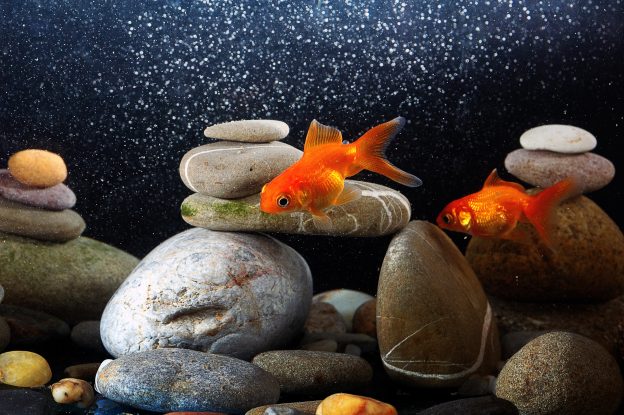
 

Contact Seatech for aquarium maintenance. Proper maintenance is the best way to prevent snails from infesting your freshwater aquarium.

TAGS: Aquarium Maintenance, Eliminate Snails, fish tank, Fish Tank Snails, Prevent Snails,

admin    October 21, 2018   CATEGORY: Fish Facts

Aquarium Living: How Fish Sleep

Most animals need to sleep in some way, shape, or form in order to replenish energy, but how fish sleep is especially fascinating to humans. After all, the fish don’t have beds, they can’t stretch out, they don’t go to a different room for silence, and most don’t even have eyelids! It’s hard to believe they sleep at all, but they do … in their own way.

How Fish Sleep

When a fish sleeps, it’s more like a human daydreaming as opposed to fully sleeping. When we daydream, we’re somewhat relaxed and stare off into space, but we’re alert enough to keep ourselves from falling over or walking into an electrical pole. When fish zone out, they’re in a calm state and have a slower metabolism, but they can keep their balance and stay on guard.

Fish have different sleeping patterns depending on their breed. Generally, where they spend most of their waking hours in an aquarium is likely where they will remain while they sleep. Some fish sleep under rocks, in holes, or in nests they create in the gravel, which is one reason why it’s important to include live or dry rock, real or artificial plants, gravel, and decor in your aquarium.

Some fish sleep in the dark, while others sleep in the light, which is why you should install lighting in your aquarium that can be turned on and off. It really depends on their breed and how they would have slept in nature. In the wild, fish that live near coral, for example, tend to stay awake during the day and sleep at night to avoid predators, who likely can’t see as well in the dark.

How much fish sleep depends on their breed, age, and what is going on in their world. Some fish are known to sleep all night, while fish that feel endangered will remain alert. A new mother will tend to the young at all hours, and some fish, like tuna, don’t sleep at all.

One especially interesting fact, as noted by the National Sleep Foundation’s Sleep.org, is that fish can experience sleep disorders and sleep deprivation. They can experience insomnia specifically, especially if they’re feeling unsafe. When fish don’t get enough sleep, they often won’t function properly, much like humans.

Differences Between How Fish Sleep and How Humans Sleep

Some of the differences in sleep patterns of humans and fish are very obvious, not the least of which is we’d need a floating lounger to be able to sleep in the water. Others, however, are not so clear to see.

• Humans experience REM sleep, which, simply told, is when we dream. Fish don’t go into REM sleep, at least not as far as researchers can tell.

• When humans sleep, especially in the REM stage, they’re in a mild paralysis. Fish, on the other hand, have to keep moving slightly during their sleep for ventilation of their gills. It’s like our breathing; even though we’re asleep, the respiratory cycle continues.

• With the exception of some breeds of sharks, fish don’t have eyelids and therefore sleep with their eyes open. When humans do that, it’s considered a sleep disorder – a phenomenon known as nocturnal lagophthalmos.

• Newborn fish seem to want to live life to the fullest by seizing every moment of every day. Many won’t even sleep at all until they become adults.


See our blog page to read more about aquariums, aquarium maintenance, and fish facts.

TAGS: aquarium fish, Fish Sleep,
